What Happens During Cremation in Annetta, TX
Understand what happens during cremation, from authorization and identification to memorial options and caring family guidance in Annetta, TX.
A search for cremation services in Annetta, TX often begins with one basic question: what actually happens during cremation? Families may understand the general idea but still feel uncertain about the steps, the safeguards involved, and the choices available before or after the process. We believe clear information can make those decisions feel more manageable. Cremation is handled through an organized sequence that centers on identification, authorization, respectful care, and careful handling from the first transfer through the return of the cremated remains.
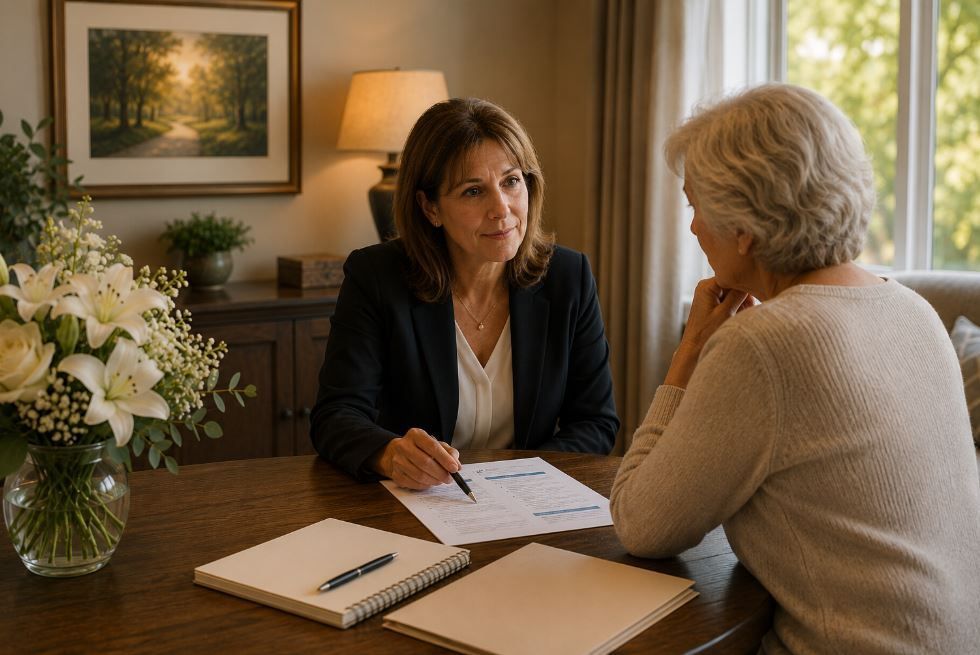
The first conversation usually focuses on your loved one, your family’s wishes, and any service preferences you already have in mind. At Galbreaith Pickard Funeral Chapel, we help families understand what needs to happen next without making the process feel rushed or impersonal. We can explain the required paperwork, answer questions about timing, and discuss whether your family wants a gathering before or after cremation. Knowing the sequence can give everyone a clearer sense of what to expect while keeping attention on the person being remembered.
What Happens First?
The process begins when a funeral professional brings your loved one into their care and confirms identifying information. Family members then complete the necessary authorizations and provide details needed for official records. Clear documentation helps protect the integrity of the process and ensures that every decision reflects the instructions provided by the family.
The First Steps Families Can Expect
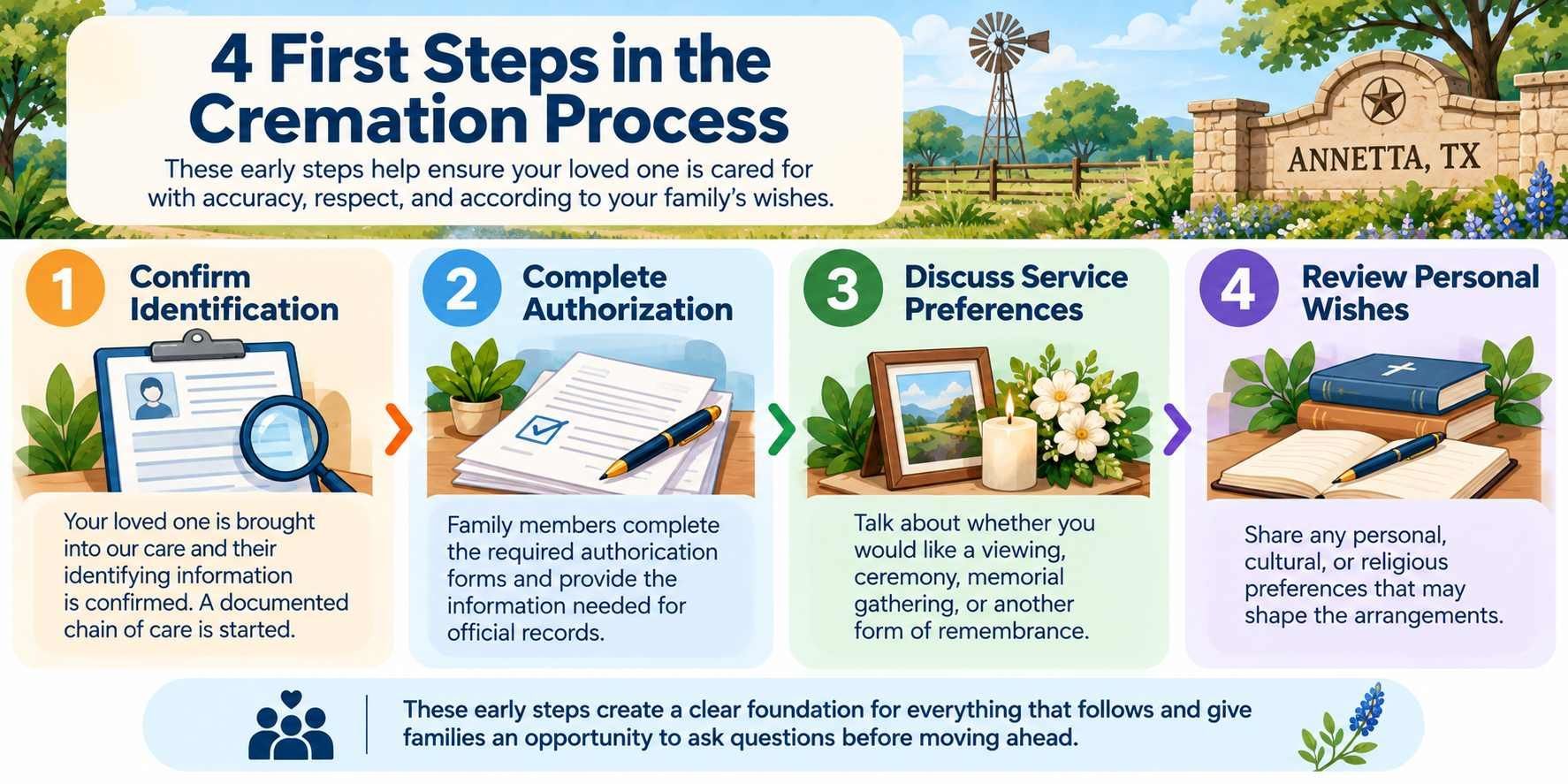
While individual arrangements vary, the early stages commonly include:
- Confirming the identity of your loved one and beginning a documented chain of care.
- Completing the required authorization forms and gathering information for official records.
- Discussing whether the family wants a viewing, ceremony, memorial gathering, or another form of remembrance.
- Reviewing personal, cultural, or religious preferences that may shape the arrangements.
Why These Steps Matter
These early decisions create a clear foundation for everything that follows. They also give families an opportunity to ask questions before moving ahead. We believe that understanding the purpose of each step can reduce uncertainty and help family members feel more confident about the care being provided.
How Is Your Loved One Prepared?
Preparation includes careful identification, secure documentation, and attention to any personal items that need to be returned to the family. The appropriate container is selected according to the arrangements being made, and required permissions are confirmed before the process moves forward. We maintain a clear chain of care so identification stays consistent throughout each stage. Families who want more detail can review guidance on understanding each stage of the cremation process, which can make unfamiliar procedures easier to understand.
Documentation and Identification
Before cremation can take place, the necessary paperwork must be complete and the identity of the person in our care must be confirmed. These safeguards are designed to support accuracy from beginning to end.
Important parts of this stage may include:
- Verifying identifying information
- Confirming signed authorization
- Recording family instructions
- Noting personal items that require special handling
- Reviewing service or memorial preferences
Personal Items and Family Wishes
Families may have questions about jewelry, keepsakes, clothing, or other personal belongings. We discuss these details before the process moves forward so everyone understands what will be returned, retained, or handled according to the family’s wishes.
What Happens During the Cremation Process?
Cremation takes place in equipment designed specifically for this purpose and is performed by trained professionals following established procedures. Respectful handling and accurate identification remain central throughout the process.
What Happens Inside the Cremation Chamber?
The chamber uses controlled high heat to carry out the process. Afterward, the remaining material is carefully processed into a consistent form and placed in a designated container. Each stage follows a defined sequence, with identification procedures continuing throughout.
Families often find it helpful to know that the process is structured rather than informal. That structure helps support dignity, consistency, and careful handling from start to finish.
Can a Service Be Part of the Process?
Yes. Cremation can be connected with a visitation, ceremony, or memorial gathering depending on the family’s preferences. Our team can explain cremation service options for meaningful family gatherings when loved ones want time together before or after cremation.
Can Families Hold a Memorial Service?
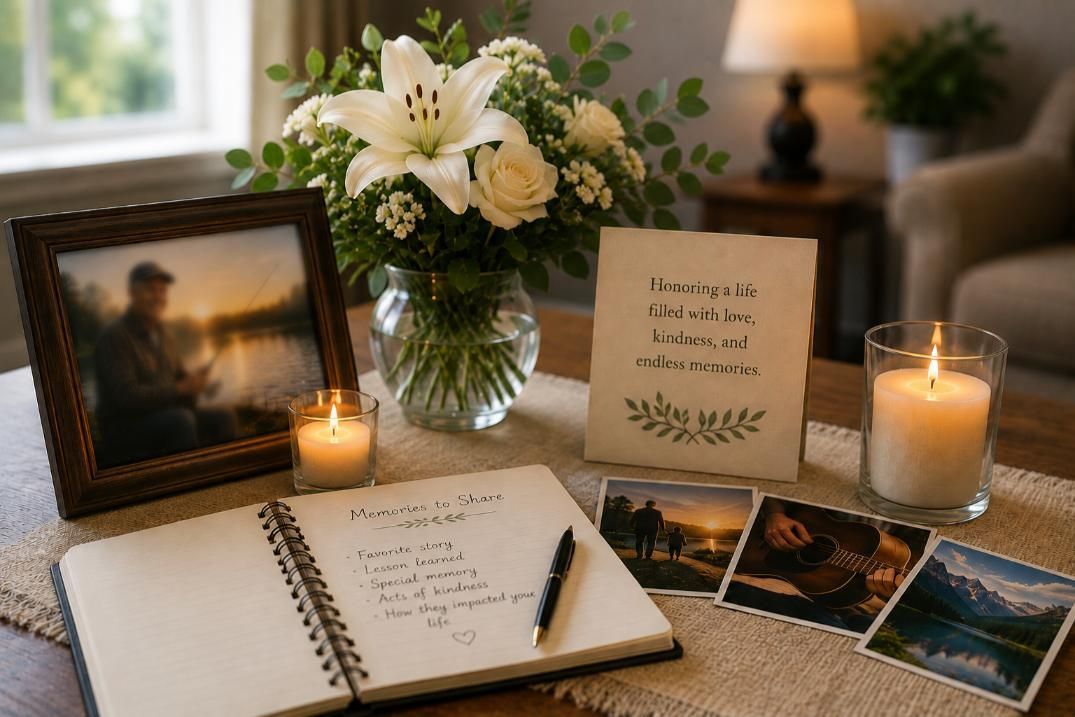
Yes. Choosing cremation does not prevent families from gathering, sharing stories, including music, displaying photographs, or creating a ceremony around a loved one’s life. A service may take place before cremation or afterward, depending on family preferences and timing.
What Can a Memorial Gathering Include?
A meaningful gathering can be simple or detailed. Families may choose elements such as:
- Favorite music or meaningful readings
- Family photographs and personal keepsakes
- Stories shared by relatives and friends
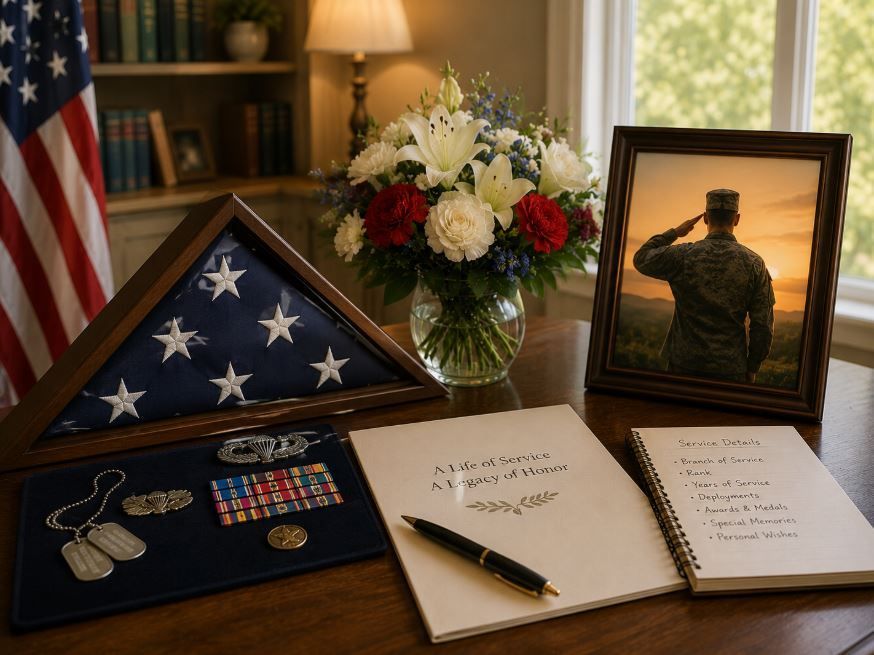
- Military or faith-based elements when appropriate
- A reception or informal time for conversation
- A personalized display that reflects hobbies, interests, or important milestones
Does Every Family Need the Same Type of Service?
No. Some families prefer a formal ceremony, while others choose a smaller gathering centered on memories and personal details. The goal is not to follow one fixed format. We help families shape an experience that feels sincere, respectful, and consistent with the life being honored.
What Happens After Cremation?
After the process is complete, the cremated remains are placed in the selected container or urn and returned according to the family’s arrangements. Families can then decide how they want to preserve, present, or incorporate the urn into future remembrance.
Choices Families May Consider
Depending on personal wishes, families may choose to:
- Keep the urn in a meaningful place at home
- Include it in a memorial gathering at a later date
- Select a permanent memorial setting
- Divide keepsakes among close family members when appropriate
- Choose a personalized urn that reflects the person’s style or interests
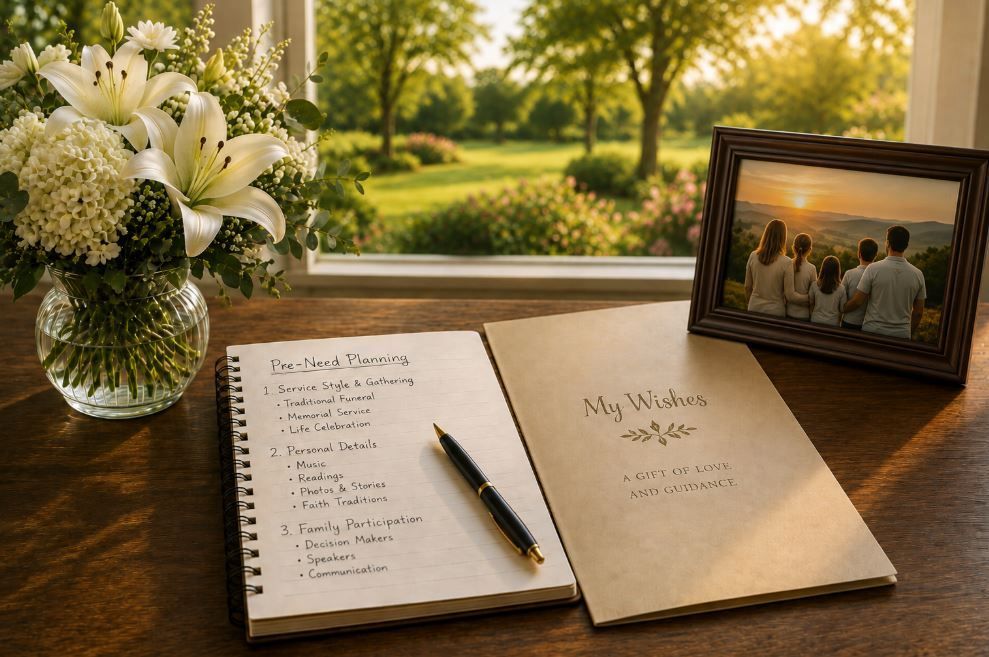
There is often no need to make every decision at once. Families who prefer to make wishes known in advance may benefit from planning ahead for funeral arrangements with confidence, which can give loved ones clearer direction when those decisions eventually matter.
What Should Families Remember Most?
Understanding the process can replace uncertainty with a clearer sense of what comes next. Families can expect careful identification, required authorization, respectful professional care, and options for meaningful remembrance throughout the experience. If your family is searching for cremation services in Annetta, TX, we can help you understand the choices that fit your wishes while keeping the process personal and dignified. We can also help you consider memorial timing, urn choices, and family preferences without making the experience feel overwhelming.
Call Galbreaith Pickard Funeral Chapel at (817) 594-2747 for compassionate funeral services support and practical guidance, and let us help you make informed decisions with confidence.
Frequently Asked Questions
How Long Does the Cremation Process Take?
Timing varies based on authorizations, documentation, and scheduling. We explain the expected sequence so families understand what happens before each step.
Can a Viewing Happen Before Cremation?
Yes, families may choose a viewing or ceremony beforehand. We can help arrange a gathering that reflects personal, cultural, or faith preferences.
Can We Hold a Memorial Service After Cremation?
Yes, a memorial service can take place afterward at a time that suits the family. It may include music, photographs, readings, stories, or other personal elements.